Food & Drink
Is Heavy Cream the Same as Heavy Whipping Cream? Easy Answer

Introduction
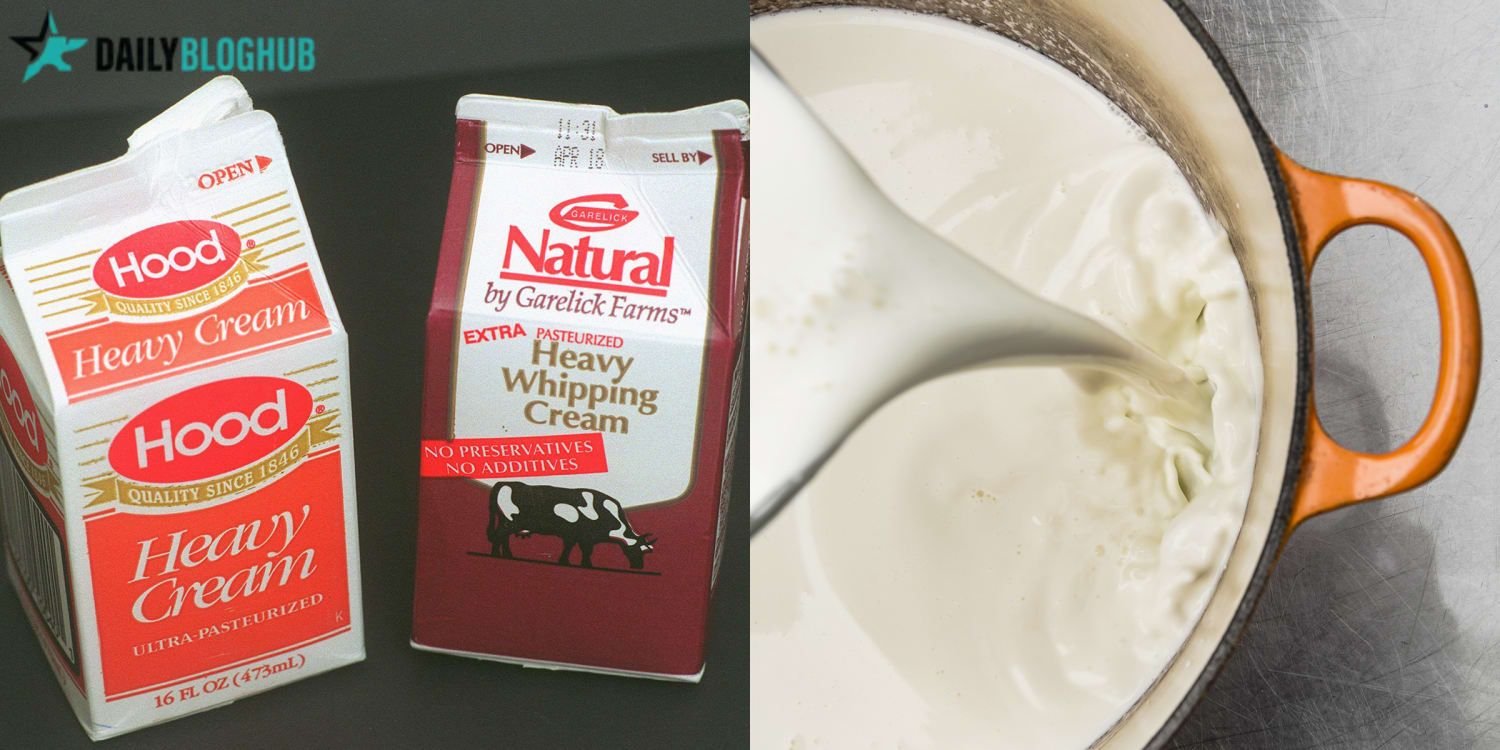
When reading a recipe, many people stop and wonder: is heavy cream the same as heavy whipping cream? The names sound nearly identical, and both products are found in the dairy section of most grocery stores. Because of this, they are often used interchangeably, which creates confusion for home cooks and bakers.
The simple answer is yes, they are very similar and can usually be substituted for one another. However, there are small differences in fat content, texture, and performance that are worth understanding. These differences may not matter in every recipe, but they can affect the final result in certain dishes and desserts.
If you have ever been unsure about which cream to buy, this guide will explain everything you need to know in a clear and practical way.
BIO
| Label | Information |
|---|---|
| Topic | Is Heavy Cream the Same as Heavy Whipping Cream |
| Category | Dairy Products |
| Main Purpose | Compare two types of cream |
| Short Answer | Nearly the same product |
| Heavy Cream Fat Content | Usually 36% or more |
| Heavy Whipping Cream Fat Content | About 30% to 36% |
| Texture | Rich, smooth, and creamy |
| Best for Cooking | Sauces, soups, and casseroles |
| Best for Baking | Cakes, fillings, and desserts |
| Whipping Ability | Both whip well |
| Interchangeable | Yes, in most recipes |
| Key Difference | Slight variation in milk fat |
| Common Use | Cooking, baking, and toppings |
What Is Heavy Cream?
Heavy cream is a rich dairy product made from the high-fat layer that rises to the top of fresh milk before homogenization. It contains a high percentage of milk fat, which gives it a thick texture and creamy consistency.
In the United States, heavy cream generally contains at least 36 percent milk fat. This higher fat content makes it ideal for recipes that require richness, stability, and a smooth texture.
Because of its richness, heavy cream is commonly used in savory and sweet dishes alike. It adds body to sauces, improves the texture of soups, and creates luxurious desserts.
Many professional chefs prefer heavy cream because it withstands heat well and is less likely to curdle during cooking.
What Is Heavy Whipping Cream?
Heavy whipping cream is another high-fat dairy product that closely resembles heavy cream. It is specifically known for its ability to whip into soft or stiff peaks when beaten.
Most heavy whipping cream contains between 30 and 36 percent milk fat. While the difference may seem small, even a few percentage points of fat can influence how the cream behaves in recipes.
The slightly lower fat content often creates a lighter texture. As a result, heavy whipping cream is frequently used for whipped toppings, dessert fillings, frostings, and decorative finishes.
When whipped properly, it becomes airy, fluffy, and smooth, making it a favorite ingredient in many baked goods and desserts.
Is Heavy Cream the Same as Heavy Whipping Cream?
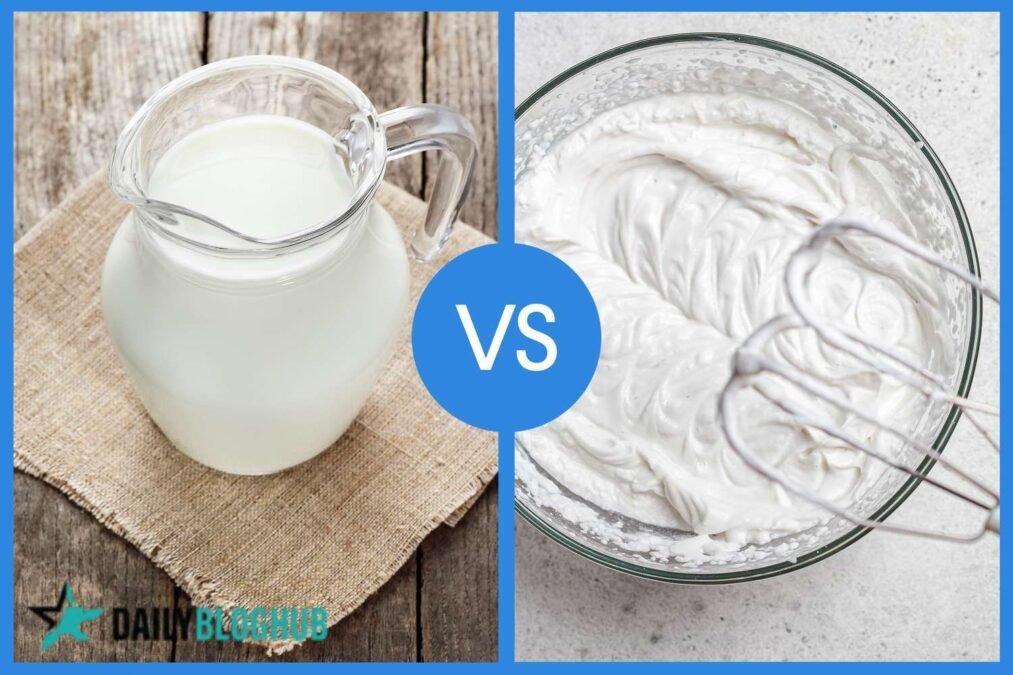
The short answer is that they are almost the same product.
Both are dairy creams with high fat content. Both can be whipped, cooked, baked, and used in a wide range of recipes. In many grocery stores, the terms are even used interchangeably on packaging.
For everyday cooking, most people will not notice a significant difference between the two. If a recipe calls for one, the other will usually work without any major problems.
However, they are not always identical.
The primary difference lies in the milk fat percentage. Heavy cream generally contains slightly more fat than heavy whipping cream. That extra fat creates a richer texture and often provides better stability when whipped.
While the distinction is minor, it can make a difference in recipes where texture and structure are especially important.
Understanding the Fat Content
Milk fat plays a major role in determining how cream behaves during cooking and baking.
Higher-fat cream tends to be thicker, richer, and more stable. It also whips more easily and holds its shape longer after whipping.
Lower-fat cream still performs well but may produce a lighter texture and slightly less stable whipped cream.
This is why professional bakers often pay attention to fat percentages when choosing dairy products. For a simple weeknight pasta sauce, the difference may be negligible. For a delicate dessert that relies on whipped cream stability, the extra fat can be beneficial.
Understanding this small distinction helps explain why some recipes specify one type of cream over the other.
Heavy Cream vs Heavy Whipping Cream
When comparing the two products side by side, the similarities greatly outweigh the differences.
Heavy cream is generally thicker and richer because of its slightly higher fat content.
Heavy whipping cream is usually a bit lighter and may create a softer whipped texture.
Heavy cream tends to hold whipped peaks longer, making it useful for decorating cakes and pastries.
Heavy whipping cream still whips beautifully but may soften more quickly over time.
In terms of flavor, most people cannot detect a meaningful difference. Both provide a creamy dairy taste that enhances countless recipes.
Because the variations are so small, many cooks simply use whichever product is available.
Can You Substitute One for the Other?
In most situations, yes.
Heavy cream and heavy whipping cream can generally replace one another in recipes without causing problems.
If a recipe calls for heavy cream and you only have heavy whipping cream, you can usually proceed without making any adjustments.
Likewise, if a recipe requires heavy whipping cream, heavy cream will often work just as well.
The final texture may vary slightly, but the difference is rarely noticeable in everyday cooking.
This flexibility is one reason these products are commonly treated as interchangeable ingredients.
Using Heavy Cream in Baking
Heavy cream is a valuable ingredient in baking because it contributes moisture, richness, and tenderness.
Many cake recipes use cream to create a softer crumb and a more luxurious texture. It is also frequently added to pastry doughs, custards, cheesecakes, and fillings.
The higher fat content can improve overall structure while maintaining a smooth mouthfeel.
For frostings and whipped toppings, heavy cream often produces stable results that last longer after preparation.
Because of these qualities, many bakers consider heavy cream one of the most versatile dairy ingredients available.
Using Heavy Whipping Cream in Baking
Heavy whipping cream is equally useful in many baking applications.
Its ability to whip into fluffy peaks makes it ideal for toppings, mousse, trifles, cream pies, and layered desserts.
Many home bakers choose heavy whipping cream because it creates a light and airy finish without feeling overly dense.
In cakes and pastries, it can provide moisture and richness similar to heavy cream.
Most baking recipes will produce excellent results regardless of which version you use.
Which Is Better for Cooking?
For cooking, both products perform exceptionally well.
Heavy cream is often preferred for rich sauces because its higher fat content helps create a smooth and silky consistency.
Cream-based soups also benefit from the thickness and richness of heavy cream.
Heavy whipping cream works well in similar dishes and provides a slightly lighter finish.
Whether you are making Alfredo sauce, creamy mushroom soup, mashed potatoes, or casseroles, either option can deliver satisfying results.
The choice often comes down to personal preference and availability.
Whipping Performance
One area where the difference becomes more noticeable is whipping performance.
Whipped cream forms when air becomes trapped within the fat structure of the cream.
Since heavy cream contains slightly more fat, it generally whips faster and holds its shape longer.
This can be helpful when decorating cakes or preparing desserts in advance.
Heavy whipping cream still creates beautiful whipped cream, but it may not remain firm for quite as long.
For most home baking projects, both products perform more than adequately.
Nutrition Comparison
Nutritionally, heavy cream and heavy whipping cream are quite similar.
Both are high in calories due to their fat content.
They also contain small amounts of protein, carbohydrates, vitamins, and minerals.
The exact nutritional values vary depending on the manufacturer and milk fat percentage.
Because both products are rich dairy ingredients, they are generally used in moderation.
People following low-fat diets may choose lighter alternatives, but for flavor and texture, few ingredients provide the same results.
How to Choose the Right Cream
Choosing between heavy cream and heavy whipping cream does not have to be complicated.
Start by considering your recipe.
If you need maximum richness and stability, heavy cream may be the better option.
If you want a lighter texture and plan to make whipped toppings, heavy whipping cream is an excellent choice.
Reading product labels can also be helpful. Checking the milk fat percentage provides a better understanding of how the cream may perform.
In many cases, selecting whichever product is available will be perfectly acceptable.
Common Myths About Heavy Cream and Heavy Whipping Cream
One common myth is that the two products are completely different. In reality, they are extremely similar and often interchangeable.
Another misconception is that only heavy whipping cream can be whipped. Heavy cream can also be whipped successfully and often produces even more stable results.
Some people believe substitutions never work. While certain specialty recipes may benefit from a specific type of cream, most everyday dishes turn out well regardless of which one is used.
Understanding the facts helps eliminate unnecessary confusion in the kitchen.
Why the Confusion Exists
The confusion largely comes from labeling practices.
Different brands and regions sometimes use the terms differently. In some stores, products may be labeled as heavy cream, while in others they may be called heavy whipping cream.
Since both products look nearly identical and serve similar purposes, consumers often assume there is a major distinction when there really is not.
The naming differences can make shopping more confusing than it needs to be.
Fortunately, once you understand the role of milk fat, the relationship between the two products becomes much clearer.
Practical Advice for Home Cooks
For most recipes, there is no need to stress over the choice.
If your recipe calls for heavy cream and you only have heavy whipping cream, use it.
If your recipe requires heavy whipping cream and you have heavy cream on hand, that will usually work as well.
Focus more on using fresh cream and following the recipe correctly rather than worrying about minor fat percentage differences.
Good ingredients and proper technique typically matter far more than the small distinction between these two products.
Conclusion
So, is heavy cream the same as heavy whipping cream? The answer is that they are nearly identical and can usually be used interchangeably.
Both products are rich dairy creams with high fat content, excellent whipping ability, and a wide range of culinary uses. The main difference is that heavy cream generally contains slightly more milk fat, making it a bit richer and more stable.
For cooking, baking, sauces, soups, desserts, and whipped toppings, either option will often produce excellent results. Unless a recipe specifically requires one type for technical reasons, most home cooks can confidently substitute one for the other.
Understanding this simple distinction makes grocery shopping easier and helps ensure successful results in the kitchen. The next time you see both products on the shelf, you’ll know exactly what sets them apart and when it matters.
FAQs
Is heavy cream the same as heavy whipping cream?
Yes, they are very similar dairy products. The main difference is that heavy cream usually contains slightly more milk fat than heavy whipping cream.
Can I substitute heavy whipping cream for heavy cream?
Yes, in most recipes you can use heavy whipping cream instead of heavy cream without affecting the final result significantly.
Which cream is better for whipped toppings?
Heavy cream often creates a slightly more stable whipped topping because of its higher fat content, but both work well.
Is there a taste difference between heavy cream and heavy whipping cream?
Most people cannot notice a significant taste difference. Both have a rich, creamy flavor that works well in cooking and baking.
Can I use heavy cream in pasta sauces and soups?
Absolutely. Heavy cream is commonly used in creamy sauces and soups because it adds richness and a smooth texture.



 Pet Care4 months ago
Can Dogs Eat Potatoes or Should They Avoid Them?
- Biography3 months ago
Dallas Yocum: The Story Behind a Little-Known Public Figure
- Biography3 months ago
7 Interesting Facts About Kathleen Nimmo Lynch You May Not Know
- Biography3 months ago
7 Interesting Facts About Dorothy Bowles Ford You May Not Know
- Celebrities3 months ago
Amy Corenswet: 10 Interesting Facts You May Not Know
- Celebrities3 months ago
The Untold Details of How Did John Ritter Die in 2003
- Celebrities3 months ago
Drowning Dan and Shay Wife Died: Clearing Up the Confusion
- Biography3 months ago
Alexys Nycole Sanchez: Growing Up in the Spotlight